Brussels (enr) – European Union Climate Commissioner Wopke Hoekstra has urged the COP31 climate conference to focus on implementing existing climate commitments rather than making new climate-finance pledges, as the bloc faces a slower pace of emissions cuts and gaps in some sectors’ progress towards 2030 goals.
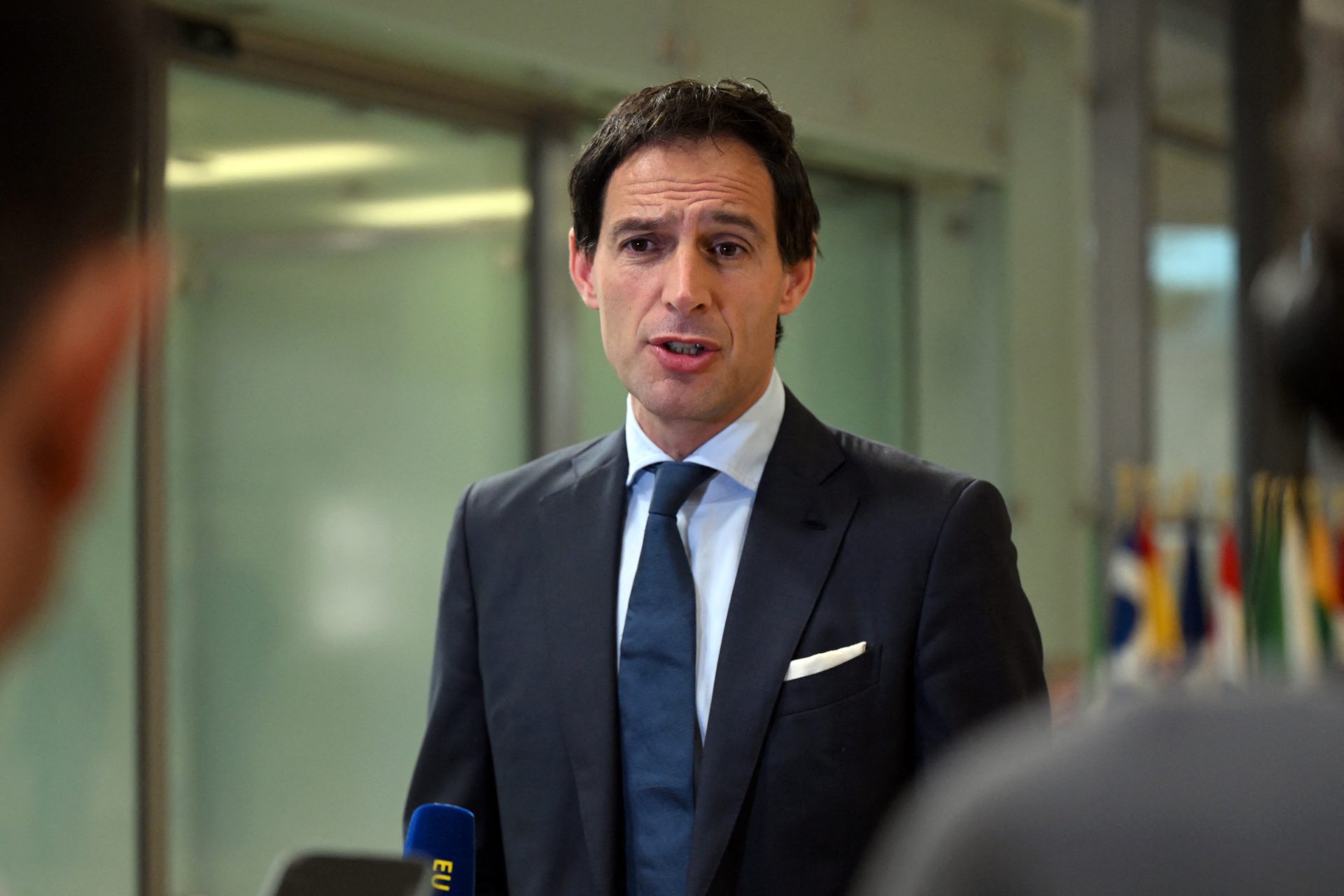
“This COP needs to be about implementation, implementation and implementation,” Hoekstra told the European Newsroom (enr) and other media on November 10. The UN climate conference is being held in Antalya, Türkiye, from November 9 to 20.
Hoekstra said climate negotiations had become more difficult due to the current “extremely complicated” geopolitical situation. Expectations for the summit were low, he added. Hoekstra argued that countries already knew the direction set by the 2015 Paris Agreement and needed to turn existing promises into action. “We don’t have a strategy gap that we need to overcome,” the EU’s climate chief said.
Hoekstra urges COP31 to focus on climate action delivery, not new pledges
The EU has legally binding targets to cut net greenhouse gas emissions by at least 55% by 2030 and 90% by 2040 compared with 1990 levels, and to reach climate neutrality by 2050. On Monday, the European Environment Agency (EEA) said that the EU was still on track to achieve its 2030 targets but warned that the pace in net reductions had slowed. Preliminary estimates show EU net emissions fell by 1.6% in 2025, leaving them about 39% below 1990 levels, the agency reported.
The Commission’s 2026 Climate Action Progress Report, which was also released on Monday, points to a sharper challenge in sectors including transport, buildings, agriculture, small industry, and waste. Emissions covered by the Effort Sharing Regulation are projected to fall by about 38.5% by 2030 compared with 2005, short of the EU-wide 40% reduction target for those sectors. The Commission said further action was needed.
Member state projections also show uneven progress, and there is political pressure from EU countries around the implementation of climate targets. Last week, for example, 26 of the 27 member states backed postponing methane requirements for imports of oil, gas and coal from 2027 to 2028, citing concerns about energy security; Spain was the only country opposed. The European Parliament’s environment committee earlier had backed loosening the planned 2035 ban on combustion engines for new cars.
From bearing to sharing
On climate finance, Hoekstra argued that COP31 should not reopen negotiations on new pledges, saying the issue had already been discussed extensively. He said any further conversation should include burden-sharing by other countries with the capacity to contribute. He also said he planned to discuss whether vulnerable island states could access finance already committed: “If it is money that in the end they cannot access, it has no meaning.”
The financing debate comes against a large adaptation-funding gap. The UN Environment Programme (UNEP) estimated annual adaptation needs at 305 billion dollars by 2035. However, even if current funding were tripled, it would cover only 20 to 29% of the projected costs.
Hoekstra sees faster electrification as the most practical route to a summit outcome. “Electrification is politically and diplomatically way less controversial than transitioning away from fossil fuels,” he said. ” Even though I think everyone acknowledges that there are two sides of the same coin, right? It’s just (…) in the one phrase you express what you don’t want anymore, and in the other phrase you express where you want to go to.” He argued that Europe should expand domestic clean-energy supply, listing “solar, wind, batteries, nuclear, interconnectors” as alternatives to imported fossil fuels.
The Commissioner rejected the suggestion that the EU was retreating from its climate ambitions, arguing that climate policy, competitiveness, and energy independence should advance together. “In my view it is sheer stupidity to be so dependent on something as essential as energy”, he said.
The test for the summit, Hoekstra said, would be whether governments could put electrification at the heart of their conclusions and agree on a concrete target.
Source - europeannewsroom.com ↗