On one hand, there’s a debate about the use of artificial intelligence in literature, and on the other, a French author who won the country’s most prestigious literary award has confessed to using the technology. French writer Philippe Jaenada had hidden a ChatGPT-generated sentence in his novel. He even challenged readers to find that sentence. In the end, he himself revealed the mystery. His confession has rekindled discussions about the role of AI in literary practice and the question of authorial creativity.
On November 3, 2026, 62-year-old Philippe Jaenada received the Prix Goncourt award for his novel, L’Inconnue du quai de Javel. The day after winning the award, in an interview with France Inter radio station, he stated that he had used artificial intelligence three times while writing the novel. However, he clarified that it wasn’t for writing the entire book, but rather for research, verifying a technical detail, and playfully engaging with readers using ChatGPT.
Literary Prize Winner Reveals ChatGPT Use in Novel
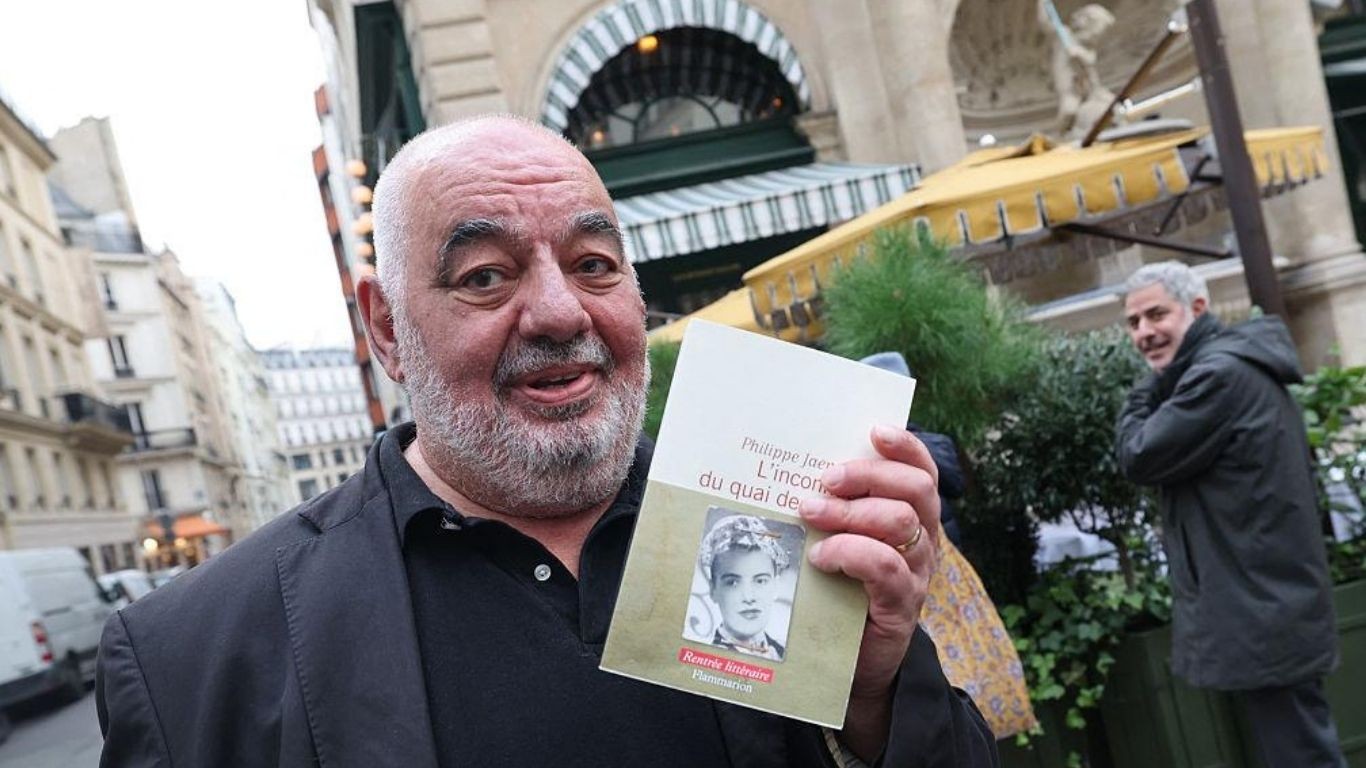
AI Sentence Hidden in the Book
Jaenada’s most amusing act was hiding a ChatGPT-generated sentence within his novel. He had challenged readers to identify which sentence in the book was written by artificial intelligence. He claimed to have received about 70 answers from readers, but none were correct.
On November 6, the author resolved the mystery during an appearance on the French news outlet RTL. He explained that he had initially written a common French phrase meaning, ‘There’s no harm in believing.’ He then wanted to extend it with another common saying. Unable to find a suitable sentence himself, he sought help from ChatGPT.
The sentence ChatGPT provided meant, ‘Believing is no harm, but it doesn’t bring food to the table.’ Jaenada liked the sentence and kept it in the novel. For him, it was a form of literary humor with his readers.
Author Used AI Three Times
Jaenada stated that he used AI for three separate tasks while writing the novel:
– First: To surprise readers by including a ChatGPT-generated sentence in the novel.
– Second: He received a strange and humorous answer from ChatGPT regarding a technical issue. He used that answer in the novel to satirize it.
– Third: He used the technology for research purposes for the novel.
However, he explicitly rejected accusations of using AI to generate the main text of the novel. His view is that artificial intelligence cannot be ignored. Instead, the technology must be understood, utilized, and employed in a way that prevents humans from losing their place.
Question of Dual Standards for the Same Award
Following Jaenada’s confession, new debates have emerged regarding the guidelines for AI use in the literary world. This is because, shortly before, Canadian-Haitian author Thélisson Aurélien’s novel, C’était ça ou mourir, was removed from the Goncourt prize longlist due to accusations of AI use.
The parallel occurrences of Aurélien’s incident and Jaenada’s confession raise the question: what are the acceptable limits of AI use in literature? In one author’s case, limited and experimental use is seen as part of creativity, while in another’s, strict action was taken based on similar allegations. However, it is crucial to consider that the contexts and types of AI use in both incidents are not the same.
Is AI Changing the Future of Literature?
The use of technology in writing is not new. Writers have long relied on various technologies for information retrieval, translation, editing, or organizing thoughts. However, Jaenada’s case has brought a new question to the forefront: when an AI-generated sentence becomes part of an award-winning novel, to whom does the credit for that creation belong?
One group believes that if authorial direction and creative control are maintained, AI can be a helpful tool. Others worry that excessive use could weaken human language, thought, and imagination.
Jaenada’s position is clear: technology should not be denied, but rather understood and used wisely. Through his statement, a new reality has emerged in the literary world: AI may not be a substitute for authors, but its presence in writing cannot be ignored either.
Source: The Guardian
The post Literary Prize Winner Reveals ChatGPT Use in Novel appeared first on Bangla Online News Portal.
Source - www.bd24live.com ↗