Every person in the world desires happiness. While many seek joy in wealth, social status, or a luxurious lifestyle, true serenity does not always depend on material possessions. From an Islamic perspective, the true foundation of happiness lies in faith (Iman), self-contentment, morality, and following the Sunnah of the Great Prophet Hazrat Muhammad (PBUH).
There are diverse opinions among philosophers, psychologists, and religious thinkers regarding the definition of happiness. For some, happiness means indulgence; for others, it is self-contentment and a moral life. Still, others find happiness in good deeds and fulfilling life’s purpose. However, from an Islamic perspective, true happiness is not limited to worldly pleasures. Achieving success in the Hereafter (Akhirah), alongside well-being in this world (Dunya), is the ultimate goal of a believer’s life.
The Psychology of a Happy Life: Finding Serenity in the Sunnah of the Prophet
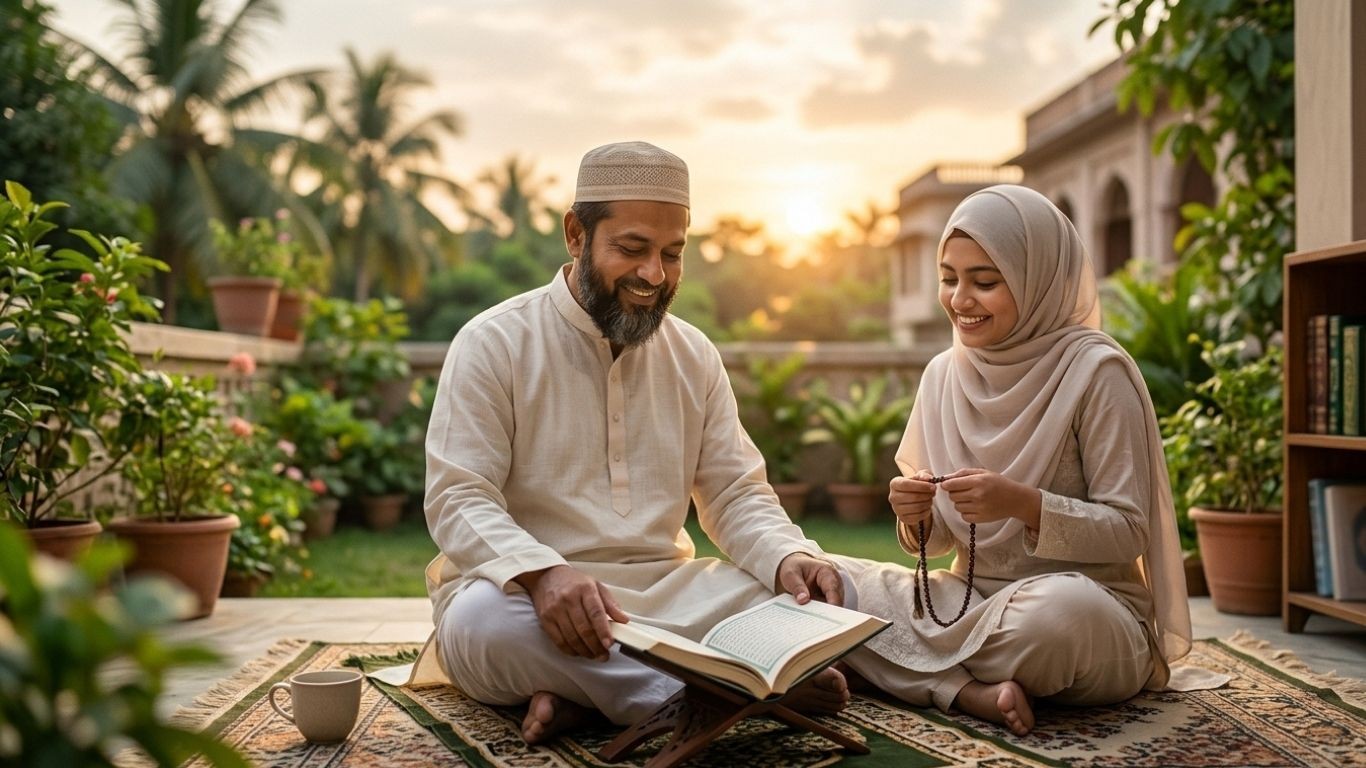
The concept of happiness has also received special importance in the thoughts of Islamic philosophers. Al-Kindi emphasized contentment for a happy life. Al-Farabi believed that the path to happiness lies in acquiring moral virtues. Ibn Miskawayh regarded the happiness of the Hereafter as the highest attainment. On the other hand, Imam Ghazali highlighted the necessity of spiritual and mental tranquility alongside the fulfillment of physical needs.
Inner Peace Found in Faith Alone
At the core of the philosophy of a happy life found in the Prophet’s Sunnah is Iman (faith). Belief in Allah, reliance on Him, contentment with His decrees, and living life through righteous deeds—these factors create stability and serenity in the human heart.
The Messenger of Allah (PBUH) said, ‘The most fortunate person to receive my intercession on the Day of Judgment will be the one who sincerely says, ‘La ilaha illallah’ (There is no god but Allah).’ (Sahih Bukhari)
The lesson from this Hadith is that deep-seated belief in Allah carries special significance in a person’s life. Iman makes one aware of life’s purpose and helps maintain optimism even during difficult times.
Four Blessings for a Happy Life
Family peace and a beautiful social environment are also crucial parts of a happy life. According to the essence of a Hadith of the Messenger of Allah (PBUH), four things are indicative of a person’s good fortune: a righteous spouse, a spacious home, a good neighbor, and a comfortable conveyance. Conversely, a bad neighbor, an unrighteous spouse, a cramped dwelling, and an uncomfortable conveyance can be sources of misfortune. (Essence of a Hadith)
Here, the importance of personal comfort, family relationships, good relations with neighbors, and the daily living environment is clearly highlighted. This means Islam emphasizes not only spiritual serenity but also the practical needs and comforts of real life.
Patience in Adversity, Serenity in Life
Human life is not always joyous. Sometimes, one faces illness, financial hardship, loss of loved ones, or various adversities. In such situations, exercising patience and trusting in Allah’s decree are among the characteristics of a believer.
The Messenger of Allah (PBUH) said, ‘The greatness of the reward is proportional to the greatness of the trial. When Allah loves a people, He tests them. Whoever is content with it will have Allah’s contentment. And whoever is displeased will have displeasure.’ (Tirmidhi)
This teaching inspires people to move forward with patience and faith instead of breaking down in adverse situations. It also helps in cultivating a mindset to accept every life situation positively.
Five Prophetic Guidelines for a Happy Life
Following the Prophet’s Sunnah can bring about positive changes in all aspects of life, from individual to family and society. Several practices are particularly important for a happy life:
Faith and Worship: Strengthening one’s relationship with Allah through regular Salat (prayer), Quran recitation, and Du’a (supplication).
Moral Character: Cultivating habits of truthfulness, honesty, forgiveness, and good conduct towards people.
Maintaining Good Relationships: Maintaining good relations with family, relatives, neighbors, and people in society, and preserving ties of kinship.
Good Deeds and Diligence: Setting life goals, earning through lawful means (Halal), engaging in meaningful work, and dedicating oneself to the welfare of others.
Self-restraint and Patience: Practicing self-purification, optimism, and patience by staying away from greed, envy, and negative thoughts.
Additionally, giving charity (Sadaqah), standing by people in their time of need, and showing empathy towards others also contribute to mental peace and social harmony.
True happiness is not merely limited to wealth, indulgence, or temporary pleasures. It is a mental and spiritual state where one is content with what they have, trusts in Allah, and works for the welfare of others.
According to the teachings of Islam, Iman (faith), contentment with Allah’s decrees, and following the Sunnah of the Prophet are among the foundations of a happy life. For a believer, the expectation of attaining Jannah (Paradise) in the Hereafter, alongside achieving peace and well-being in this worldly life, is the ultimate form of true success and happiness.
The post The Psychology of a Happy Life: Finding Serenity in the Sunnah of the Prophet appeared first on Bangla Online News Portal.
Source - www.bd24live.com ↗